
Updated March 3, 2026
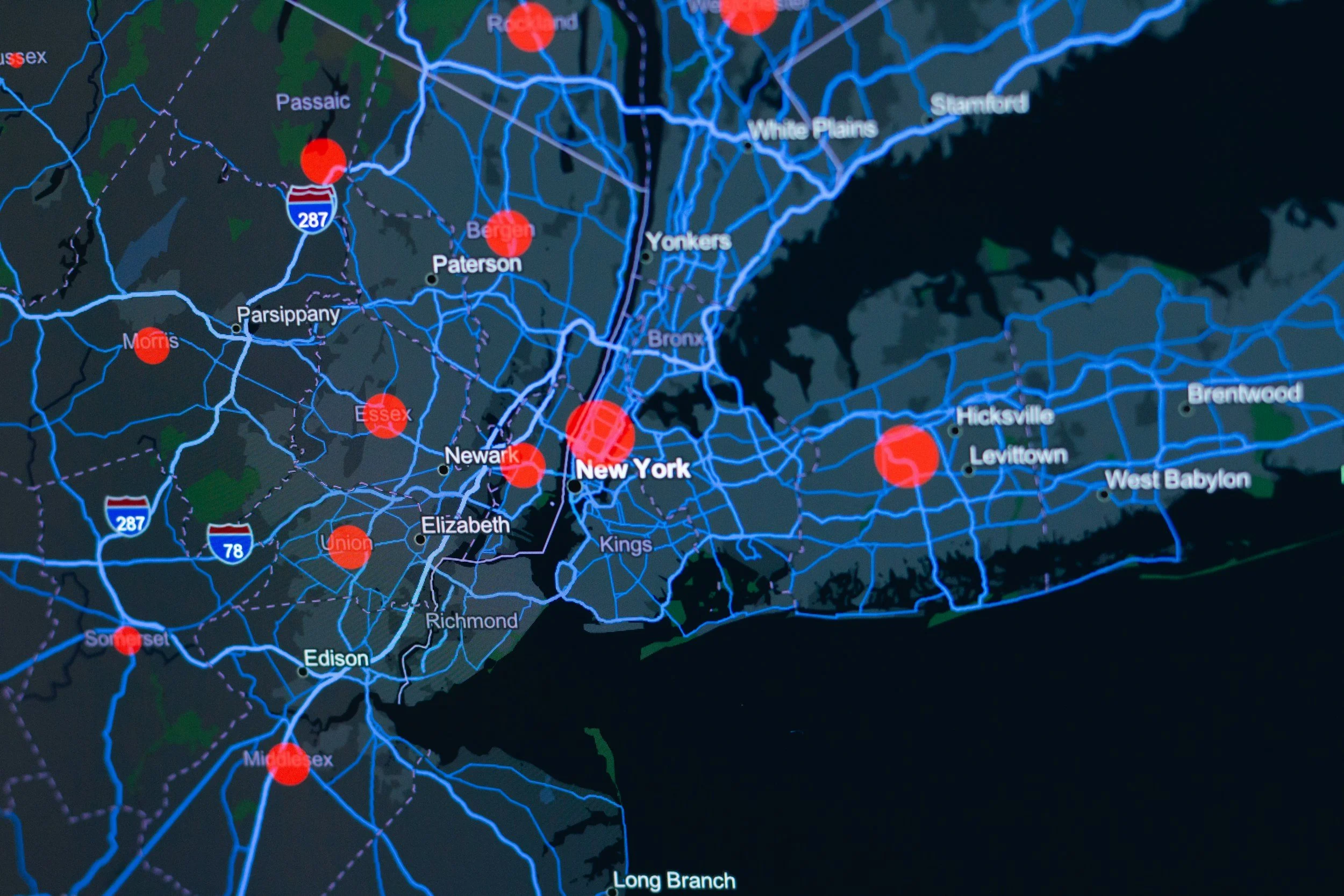
Image provided by Squarespace.
Chatrie v. United States - Geofence Warrants Amicus Brief
Status: Filed; the Center for Democracy & Technology, joined by S.T.O.P. and other civil rights and privacy organizations, filed an amicus brief urging the Supreme Court to reject overbroad geofence warrants.
Court: Supreme Court of the United States
Key issues: Geolocation Tracking; Digital Privacy; Mass Surveillance; Police Practices
The case now before the U.S. Supreme Court challenges the constitutionality of geofence warrants — orders that require technology companies (like Google) to disclose historical location data for every device that was within a specified area at a particular time. These warrants allow law enforcement to identify all individuals present in an area without any individualized suspicion that any given person was involved in a crime.
Civil liberties and technology policy groups, including the Center for Democracy & Technology (CDT), have filed amicus briefs urging the Supreme Court to reject geofence warrants as unconstitutional. They argue that these warrants:
Function like general warrants, which the Fourth Amendment was designed to forbid, because they lack the required particularity and probable cause tied to specific individuals.
Enable dragnet collection of highly sensitive geolocation data from people who are not suspected of wrongdoing.
Threaten privacy and other civil liberties by allowing retrospective surveillance of people’s movements without judicial safeguards.
The Supreme Court’s review addresses a split among lower courts about whether geofence warrants constitute an unconstitutional search under the Fourth Amendment — with some courts upholding them and others, like the Fifth Circuit, finding them impermissible as modern general warrants.
This marks one of the first times the Supreme Court will directly confront the constitutional status of geofence warrants, with significant implications for how courts balance digital privacy and law enforcement access to location data.