
Updated July 9, 2026
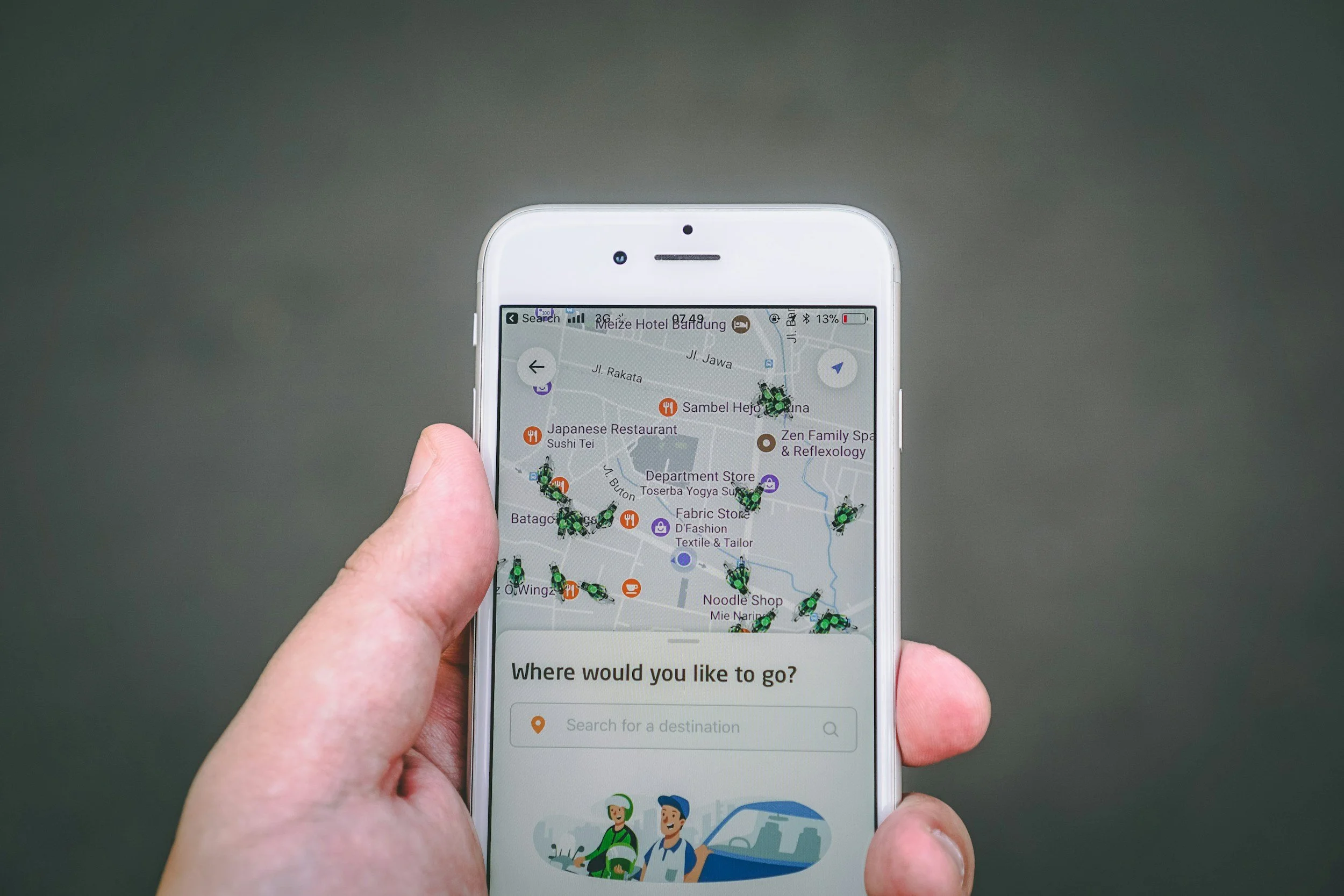
Image provided by Squarespace.
Wheely USA, Inc. v. City of New York — TLC Location Data Amicus Brief
Status: Filed
Court: United States Court of Appeals for the Second Circuit
Key issues: Geolocation Tracking; Digital Privacy; Transportation Data; Mass Surveillance; Police Practices; Fourth Amendment
The case now before the U.S. Court of Appeals for the Second Circuit challenges New York City Taxi & Limousine Commission rules requiring for-hire vehicle operators to report precise location data for every trip. Although framed as a transportation-safety and driver-fatigue measure, the rules raise serious privacy concerns because they require companies to turn over detailed records of millions of riders’ movements across New York City.
S.T.O.P. and Restore the Fourth filed an amicus brief urging the Second Circuit to reverse the district court’s decision, arguing that the TLC’s mass collection of trip-location data raises serious Fourth Amendment concerns. S.T.O.P. and Restore the Fourth argue that the rules:
Collect constitutionally protected location data that can reveal where people live, work, worship, seek medical care, gather to organize, and return home at night.
Cannot be made safe through anonymization because location data can often be re-identified through pickup and drop-off points, timestamps, home and work locations, and repeated travel patterns.
Allow the government to access, retain, and potentially share sensitive trip records, creating the risk of warrantless and retrospective tracking of New Yorkers’ movements and associations.
Are unreasonable even under the Fourth Amendment framework for closely regulated industries because precise coordinates are not necessary to address driver fatigue, and the rules lack meaningful precompliance review.
The Second Circuit’s review addresses whether New York City may compel for-hire vehicle companies to disclose precise trip-location records when that data can expose sensitive details about riders’ private lives and enable broad government surveillance.